
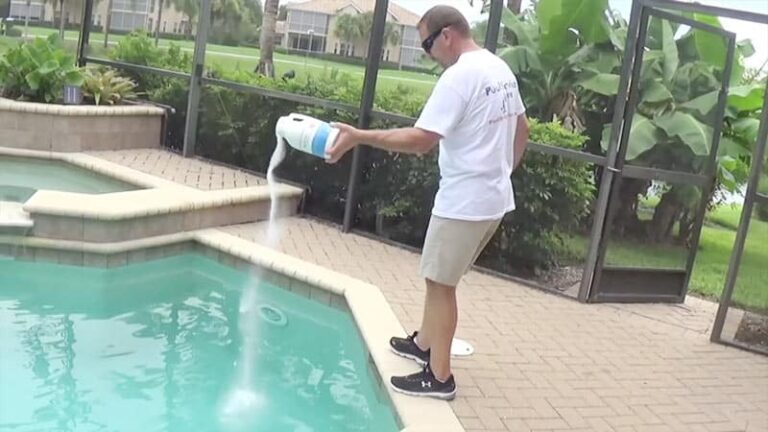
Soda is a common additive to water and is often used to adjust pH and increase alkalinity. It can also be used in swimming pools as an anti-acid agent; This will slightly raise the pH of the pool while increasing the alkalinity.
In small doses, soda can act as a natural pH booster for marine aquariums and freshwater aquariums (although it should be used with caution). If you’re looking for an all-purpose water booster, soda might be right for you—just keep in mind that the dosage is quite low compared to sodium bicarbonate.
What is soda used for in a swimming pool?
Sodium carbonate (sodium bicarbonate) is used to increase the pH of water. The doses are quite low compared to sodium bicarbonate, which would further increase alkalinity.
It is also used in commercial pools that use acid dispensers to lower pH and slightly increase alkalinity.
When should I add soda to my pool?
Soda should be added to your pool if you need to increase the pH and alkalinity at the same time. If you notice a decrease in alkalinity, it’s time to add soda to the mixture.
The desired alkalinity level for swimming pools should be between 80 and 150 ppm, with the addition of sodium carbonate being particularly important in times of high wastage. Follow all instructions from your pool professional, as adding lye can affect your water chemistry.
Be sure to keep an eye on specific pH and alkaline levels to avoid problems later.
Can you use baking soda instead of club soda in a swimming pool?
Adding club soda or baking soda to your pool will raise the pH and keep it at the desired pH level. Although both substances act in the same way, their effects on pool water are different.
This is important to know if you want to maintain balance in the water. Baking soda leaves an alkaline residue that can irritate the skin and eyes, while using baking soda does not cause these side effects. When choosing between the two, keep in mind that while baking soda is more expensive, it also lasts longer in the pool than club soda.
How much soda should I add to my pool?
To increase the pH of your pool, try adding sodium carbonate (also called soda ash). Be sure to add no more than two pounds of sodium carbonate per 10,000 gallons of water per treatment.
When adding soda, start in the deep end of your pool and then work your way to the shallow end. Sodium carbonate is a commonly used additive to raise the pH in swimming pools and can be purchased at most hardware or grocery stores.
Pool owners should follow all safety precautions when using soda, including reading product labels carefully before purchasing and following all instructions from their retailer of choice.
What happens if you put too much soda in the pool?
If your pool’s pH is too high, adding sodium carbonate can help reduce the alkalinity and bring it back to a more stable level. However, adding too much soda can make the water cloudy and steps should be taken to further reduce the alkalinity of the pool.
Lowering your pool’s pH is often one of the first steps to restoring clarity and preventing cloudiness from reappearing. Soda is useful for adjusting the acidity of a swimming pool. However, overuse can lead to problems such as cloudy water or an increased risk of algae growth. By following these simple guidelines, your pool will stay crystal clear
Can I swim in the pool after adding soda?
After adding soda to your pool, it is best to wait about 15 minutes before swimming. Algaecides are generally safe for humans, but it’s always a good idea to check with your doctor first.
Swimming after adding algaecide is generally OK, but you may want to stay further away from the edges of the pool in case residue settles there. If you are concerned about safety or have other questions, do not hesitate to call an expert.
Keep everything clean and tidy, including the pool, so everyone can enjoy summer fun safely.
Can you add soda and chlorine at the same time?
Adding chlorine and soda can cause dangerous chemical reactions that could result in serious injury. So it is best not to mix these chemicals.
If you want to keep your pool in balance and protect yourself from injury, it is important to avoid mixing pool chemicals. Adding chlorine or soda separately ensures that each chemical has a specific function in the pool chemistry equation.
Follow the manufacturer’s instructions carefully when combining these two pool chemicals. Failure to do so may result in an unsafe swimming environment or property damage due to improper mixing. Always read the product label before using pool chemicals, especially when it comes to new additions to your pool chemical arsenal – you never know what could happen if you’re not careful .
What to replace soda with?
If baking soda is not available, you can use baking soda to make a fixing solution. To make this substitute work like the original, adjust the soda to water ratio and add heat to achieve the desired result.
Baking soda has a slightly earthy odor that some find unpleasant; However, it works just as well for correcting makeup mistakes. Be sure to store your baking soda in an airtight container or sealed plastic bag to prevent it from spoiling and creating harmful fumes when mixed with other ingredients.
Note that this replacement is not always effective: sometimes products containing baking soda break down during the manufacturing process or when exposed to high temperatures.
Frequently asked questions
Is borax soda?
Soda crystals and borax are two different types of cleaning products. Borax is a synthetic cleaner, while crystal soda is made from sodium-containing washing soda. Both can be used for different purposes around the house, but it’s important to know which one is best for you in order to get the most out of your cleaning job.
Will baking soda clean a green pool?
If the pool appears green, it may be due to algae. Cleaning products can help clean pools, but they are not 100% effective. Chlorine kills algae better and should always be used in place of baking soda when cleaning a pool.
Will soda cloud my pool?
If your pool is cloudy, add Borax or pH Up. If it is milky, you may need to add more chlorine.
What causes cloudy pool water?
If the pool water is cloudy, it may be due to poor filtration. If the filter does not filter properly, eggs and other harmful substances can accumulate in the water. This can cause your pool water to become cloudy or greenish. There are many ways to resolve this problem: contact a pool service technician for more information.
If there is a chemical imbalance, this can also lead to cloudy or greenish pool water. These problems are caused by the fact that different chemicals are used in the installation: some take time to dissolve (like chlorine), while others simply stay dissolved (like salt). If these levels continue to increase, you should quickly call a professional.
Recap:
Soda is a natural mineral that helps control pH levels in swimming pools. It is also used as a disinfectant and clarifying agent.
document.querySelectorAll(‘#aawpclone .buy-btn’).forEach((e)=>{
e.addEventListener(‘click’, ()=>{
window.open(`https://www.a`+`ma`+`zo`+`n.co`+`m/dp/${e.getAttribute(‘minu’)}?tag=tpacku-20&linkCode=osi&th=1&psc=1`, ‘_blank’)
})
})